

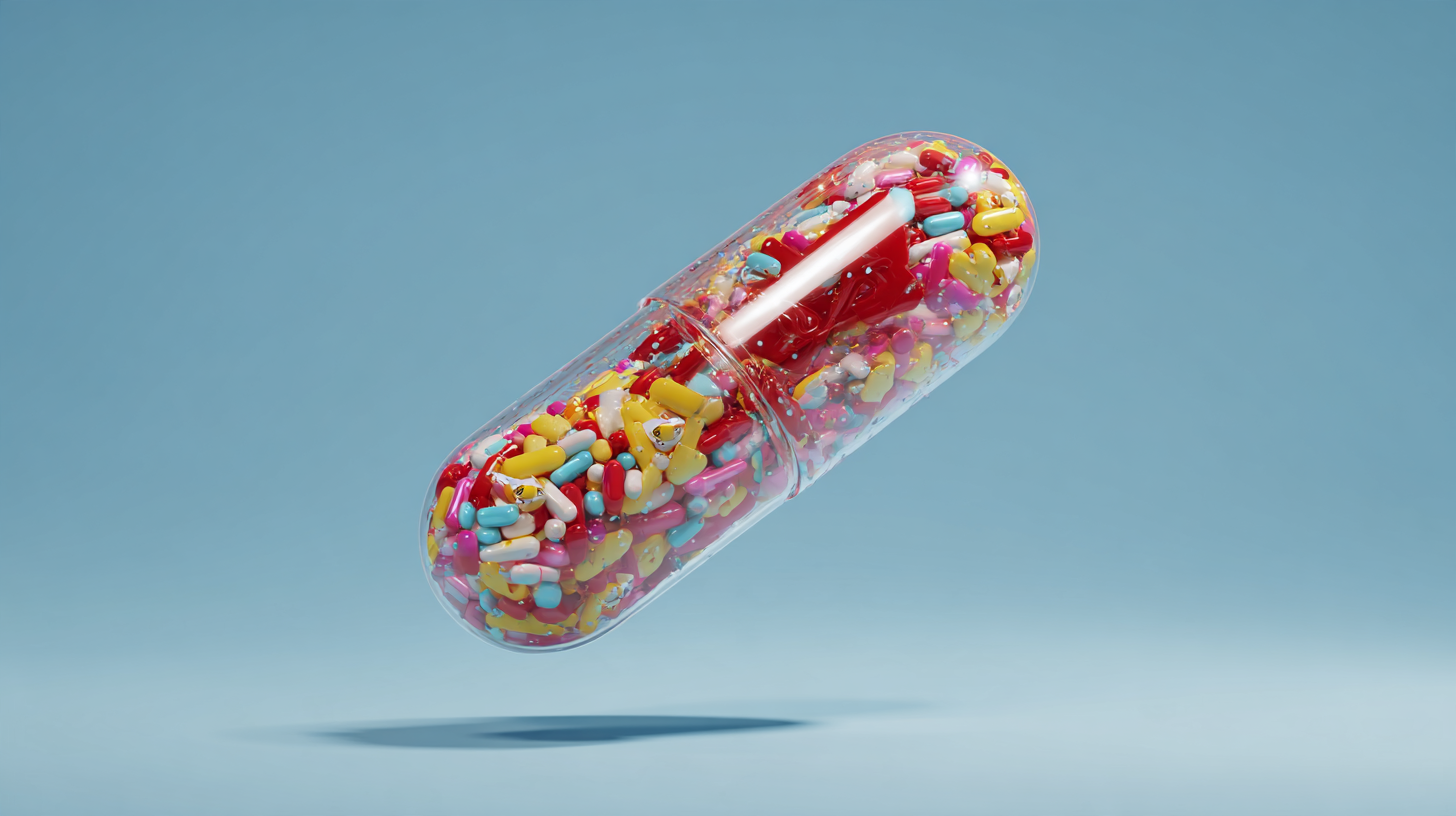
A brief snapshot of the moment. Resilia, a dietary supplement brand that no one had heard of, dumped more than 8,000 advertisements on Google in eighteen months. 7,000 on YouTube, placed between two Shorts. AI-generated musical cartoons. Some last seven minutes and show the product only at the very end.
CNN investigated this week. The content? Often indefensible. Stereotypes, health claims invented by the machine. Meta removed some of the ads. Imitators are already arriving.
But let’s forget the content for two minutes and look at the mechanics. It’s brilliant.
Before, you had one expensive ad to make work. Now you produce twenty that are a little weird, and the algorithm tells you which one works. The seven-minute ones? Not a mistake, a filter: the one that goes all the way buys. Everything is designed, measured, optimized. A researcher from INSEAD even talks about dramaturgy.
Resilia is incredibly effective. Resilia isn’t a brand. And that’s exactly where it becomes interesting for us.
Because this method — producing in volume, testing massively, letting the data decide — is no longer reserved for big budgets. A two-person company can access it. What makes the difference is what you put into it: an idea, a polished execution, values that stand the test of time.
So, the choice is simple. Let the noise fill the space. Or take the same mechanics and put real content into it. Good brands have everything they need to win at this game. You just have to play.
I know which side I want to be on. And you?
To see what it looks like, one of the Resilia ads: https://www.youtube.com/watch?v=qF34E7Gb858
#AI #Advertising #Marketing #AdvertisingEffectiveness #GenerativeAI #Brand #AIAdvertising